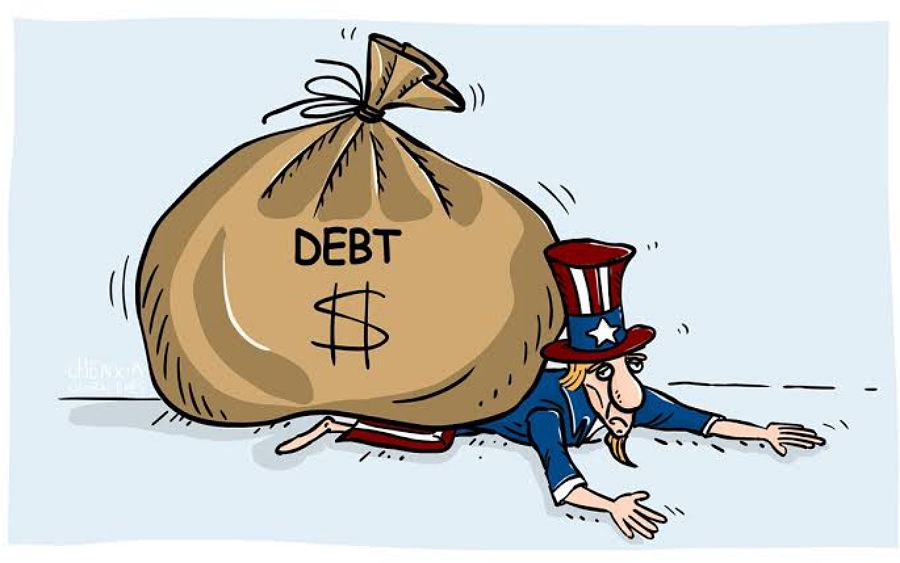
A significant shift occurred in African tech funding in 2025, with investors showing a strong preference for debt financing over traditional equity. This trend drove total startup funding in the region to an impressive $4.1 billion.
According to the 2025 Partech Africa Tech VC Report, debt funding experienced a remarkable surge, jumping by 63% to reach a record high of $1.64 billion. The number of debt deals also increased significantly, rising by 40% to a total of 108. This growth in debt transactions was the primary driver of the overall increase in funding activity.
In contrast, equity funding saw a more subdued performance, growing by a modest 8% to $2.41 billion. The volume of equity deals remained largely unchanged, indicating a more cautious approach from equity investors. The report suggests that this acceleration towards debt reflects a growing preference for structured and non-dilutive financing instruments within the African tech ecosystem.
Deal activity mirrored this trend. While the overall deal count rose by 7% to 570 transactions, the increase was almost entirely attributable to the surge in debt deals, which jumped by 40% during the year. Equity deal volume saw only a marginal increase.
Interestingly, the report also highlights a shift in investor focus towards later-stage rounds. While participation weakened at the Seed+ stage, there was increased engagement in Series A and a strong rebound in Series B participation. This suggests that investors are prioritizing more mature companies with established track records in the current cautious funding environment.
The report emphasizes that in a more selective investment landscape, a larger proportion of active investors are concentrating their equity investments in more mature rounds. This likely reflects a desire to mitigate risk and invest in companies with proven business models and potential for scalability.
Although equity investor participation was recorded across more African markets compared to 2024, the major tech hubs experienced varying outcomes. While the report doesn't elaborate on specific country performance, it indicates that South Africa and Egypt, historically significant hubs, likely followed the overall trend towards later stage funding rounds.
This shift towards debt financing and later-stage investments presents both opportunities and challenges for African tech startups. While debt can provide a valuable source of non-dilutive capital, startups must carefully manage their debt obligations to ensure sustainable growth. The preference for later-stage investments may also make it more difficult for early-stage startups to secure funding, highlighting the need for continued support and development of the early-stage ecosystem.