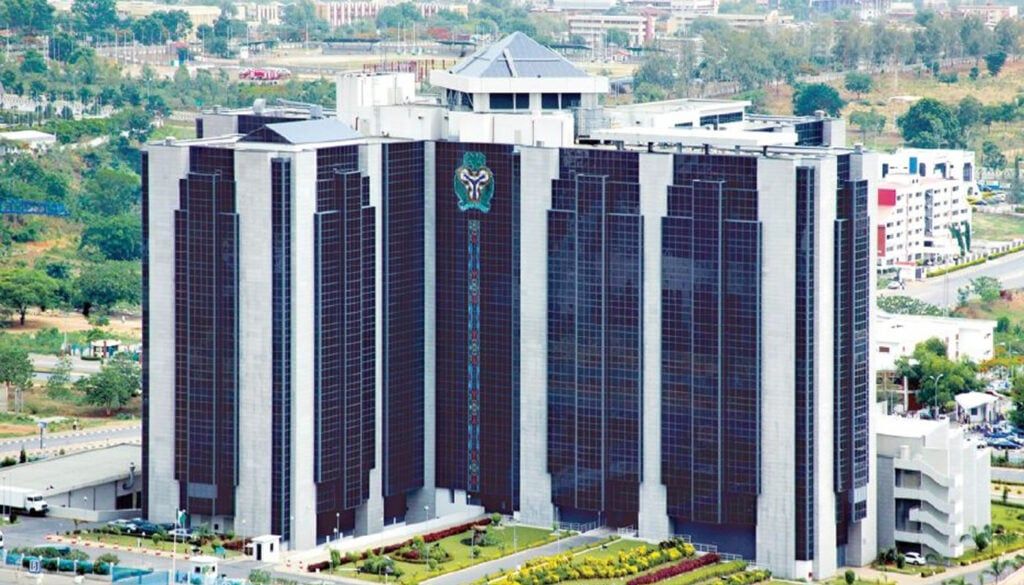
The Central Bank of Nigeria (CBN) has injected a significant amount of liquidity into the Nigerian banking system. In the first week of February 2026, the apex bank pumped over N1.7 trillion into the financial system through cumulative repayments.
This substantial injection is expected to have a ripple effect across the economy, providing banks with more funds to lend to businesses and individuals. Increased lending activity could stimulate economic growth by supporting investment and consumption.
The source of this liquidity injection is attributed to cumulative repayments. While the specific details of these repayments weren't immediately available, they likely stem from maturing government securities held by banks, or potentially the repayment of CBN intervention facilities previously extended to various sectors.
Market analysts are closely watching the impact of this massive injection on key economic indicators. A primary concern is the potential inflationary pressure. Increased liquidity in the banking system, if not carefully managed, can lead to excessive credit creation and subsequently, higher prices of goods and services.
The CBN will likely employ various monetary policy tools to mop up excess liquidity if inflation becomes a concern. These tools may include increasing the Cash Reserve Ratio (CRR) for banks, issuing special bills, or conducting Open Market Operations (OMO) to sell government securities and drain liquidity from the system.
However, the injection is largely seen as a positive development for the banking sector. It provides banks with the much-needed headroom to meet increasing loan demands and strengthens their overall financial positions. This comes at a crucial time as several banks are actively pursuing recapitalization efforts to meet new CBN directives.
The increased liquidity could also lead to lower lending rates, making it more affordable for businesses, particularly small and medium-sized enterprises (SMEs), to access credit. This can foster entrepreneurship, create jobs, and boost overall economic activity.
Furthermore, the CBN's move is expected to stabilize the foreign exchange market. With increased Naira liquidity, the CBN may be better positioned to intervene in the market and manage exchange rate volatility. This is particularly important for businesses that rely on imported goods and services.
Overall, the N1.7 trillion liquidity injection represents a significant intervention by the CBN. While the long-term impact remains to be seen, it is expected to provide a much-needed boost to the banking sector and the broader Nigerian economy. The CBN’s careful management of this liquidity will be crucial in ensuring that it translates into sustainable economic growth without fueling inflation.