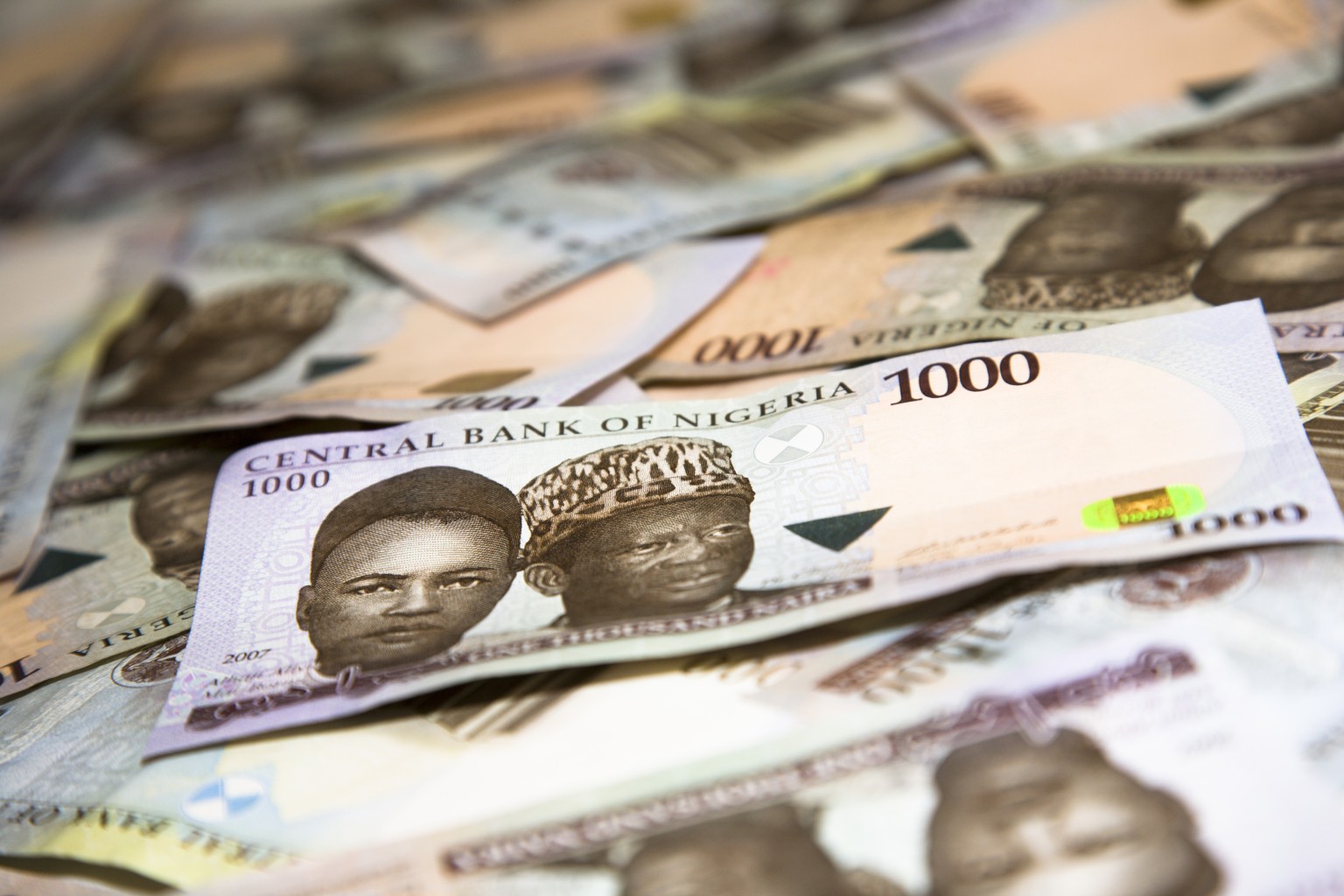
Government securities now represent a significant portion of Nigerian banks' holdings, accounting for about 11% of their total assets, according to a recent report by S&P Global.
This allocation towards government debt instruments signifies a notable trend within the Nigerian banking sector. It underscores a preference for lower-risk assets amidst ongoing economic uncertainties and constrained credit extension to the private sector.
The shift towards government securities can be attributed to several factors. Nigerian banks, like their counterparts globally, are sensitive to risk and often seek stable investment avenues. Government bonds, particularly those issued by the Federal Government, are generally considered a safer bet than loans to businesses and individuals, especially in a volatile economic climate.
Furthermore, the regulatory environment in Nigeria often encourages banks to hold a certain percentage of their assets in government securities to maintain liquidity and meet reserve requirements. This regulatory push, combined with the banks' own risk management strategies, contributes to the increasing share of government securities in their portfolios.
While investing in government securities provides stability and a predictable income stream, it also presents certain challenges. A high concentration of assets in government debt can limit the banks' ability to deploy capital towards productive sectors of the economy, potentially hindering economic growth. If banks are too focused on government bonds, it can stifle lending to SMEs and other businesses that need access to finance.
The report from S&P Global underscores the need for policies that encourage banks to diversify their asset portfolios. This could involve initiatives to reduce perceived risks associated with lending to the private sector, such as credit guarantee schemes or reforms to improve the ease of doing business. Such measures could help unlock the potential of the Nigerian economy by facilitating greater access to finance for businesses.
Ultimately, finding the right balance between holding government securities and extending credit to the private sector is crucial for the Nigerian banking sector. It’s a delicate act, requiring careful consideration of risk, regulatory requirements, and the overall economic outlook. The current 11% figure serves as a benchmark, highlighting the ongoing need for strategies to promote sustainable and inclusive economic growth.