The International Monetary Fund (IMF) has reduced Nigeria’s economic growth forecast for 2026 by 0.3 percentage points, from 4.4% to 4.1%. This adjustment reflects mounting global and domestic pressures impacting the economy.
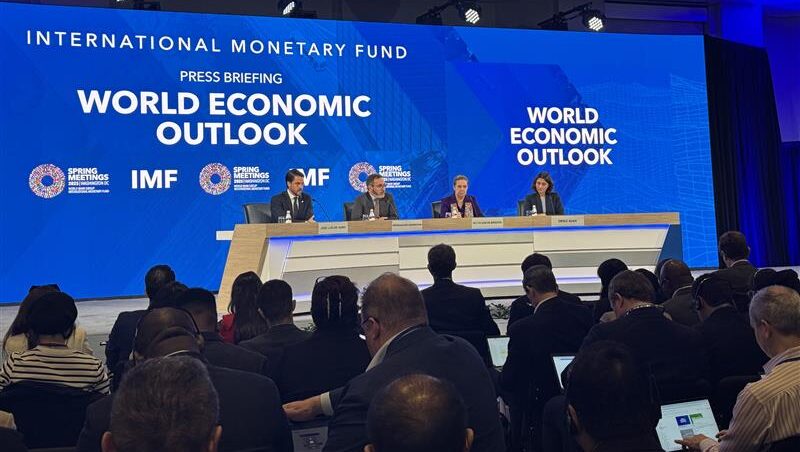
The IMF announced this revised outlook during a media briefing for the launch of its April 2026 Global Financial Stability Report. This projection is lower than the 4.4% forecast made in January 2026 but remains slightly above the outlook released in October of the previous year.
Deniz Igan, Deputy Chief of the Macro-Financial Division in the IMF’s Research Department, explained that the Sub-Saharan Africa region's economic performance, which was relatively strong in 2025, has weakened due to fresh global shocks. The ongoing war has disrupted non-oil commodity markets and worsened conditions for oil-importing countries.
Furthermore, declining foreign aid is adding pressure across the region. Bilateral support dropped by 16% to 28% in 2025, a trend expected to continue.
For Nigeria specifically, the IMF indicated that the downgrade is a result of rising costs and mixed economic signals. Higher fuel, fertilizer, and shipping costs are weighing on non-oil sectors, although elevated oil prices offer some counterbalance.
“Turning to Nigeria, we have revised growth down by 0.3 percentage points to 4.1 per cent in 2026. This reflects a balance of two forces: higher fuel and fertilizer prices, along with increased shipping costs, which are expected to weigh on non-oil activity, and some offset from higher oil prices,” Igan stated.
Regarding inflation, the Fund stressed the importance of tight monetary policy and vigilant monitoring of exchange rates and inflation expectations. Nigeria's inflation was approximately 15.06% year-on-year as of February 2026. The benchmark interest rate was maintained at 26.50%, indicating ongoing efforts by the central bank to stabilize prices.