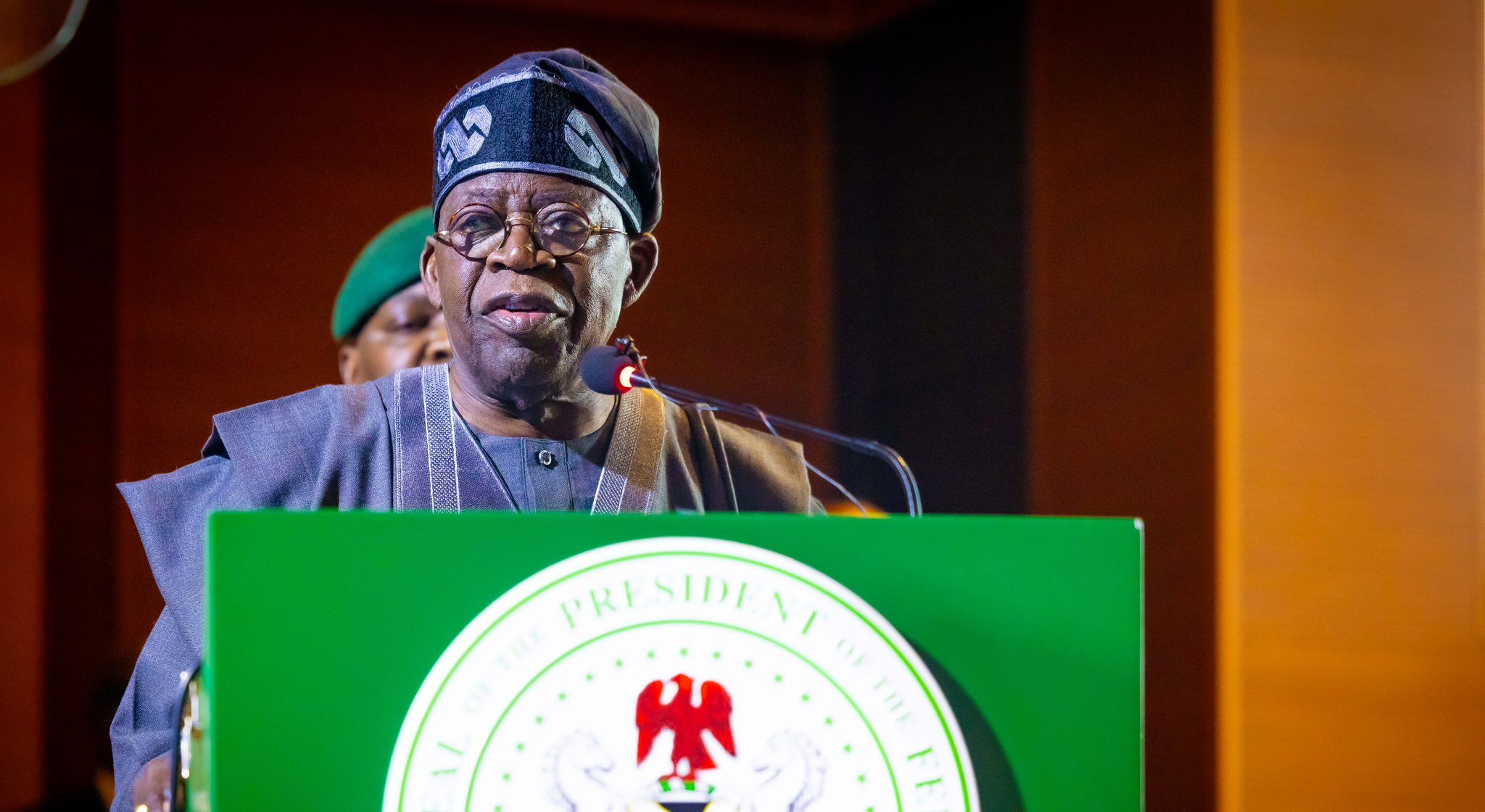
President Bola Tinubu has stated that Nigeria’s colonial-era tax laws contributed to poverty by creating fragmentation, multiplicity, and inconsistencies. He assured that ongoing reforms will drive prosperity and inclusivity.
This was disclosed in a statement by presidential spokesperson, Bayo Onanuga, following the commissioning of the 16-storey Nigeria Revenue Service (NRS) Headquarters in Abuja on Tuesday.
Tinubu noted that the new tax system is designed to be people-centred and investment-friendly, aimed at strengthening the country’s fiscal framework.
Tinubu said the newly implemented tax reforms are intended to address longstanding structural weaknesses in the economy. “No serious nation can achieve lasting prosperity on a weak and fragmented revenue system. That is why this administration took the bold decision to embark on far-reaching tax and fiscal reforms,” he said.
He added that the reforms are designed to simplify the tax system, eliminate distortions, and create a transparent and investment-friendly environment.
Nigeria recently implemented new tax laws aimed at overhauling its fiscal framework. The Nigerian Tax Act and the Nigerian Tax Administration Act came into effect on January 1, 2026. The rollout faced concerns from lawmakers over alleged alterations to the gazetted versions. The Lagos State Internal Revenue Service later extended the deadline for filing personal income tax returns to April 21.
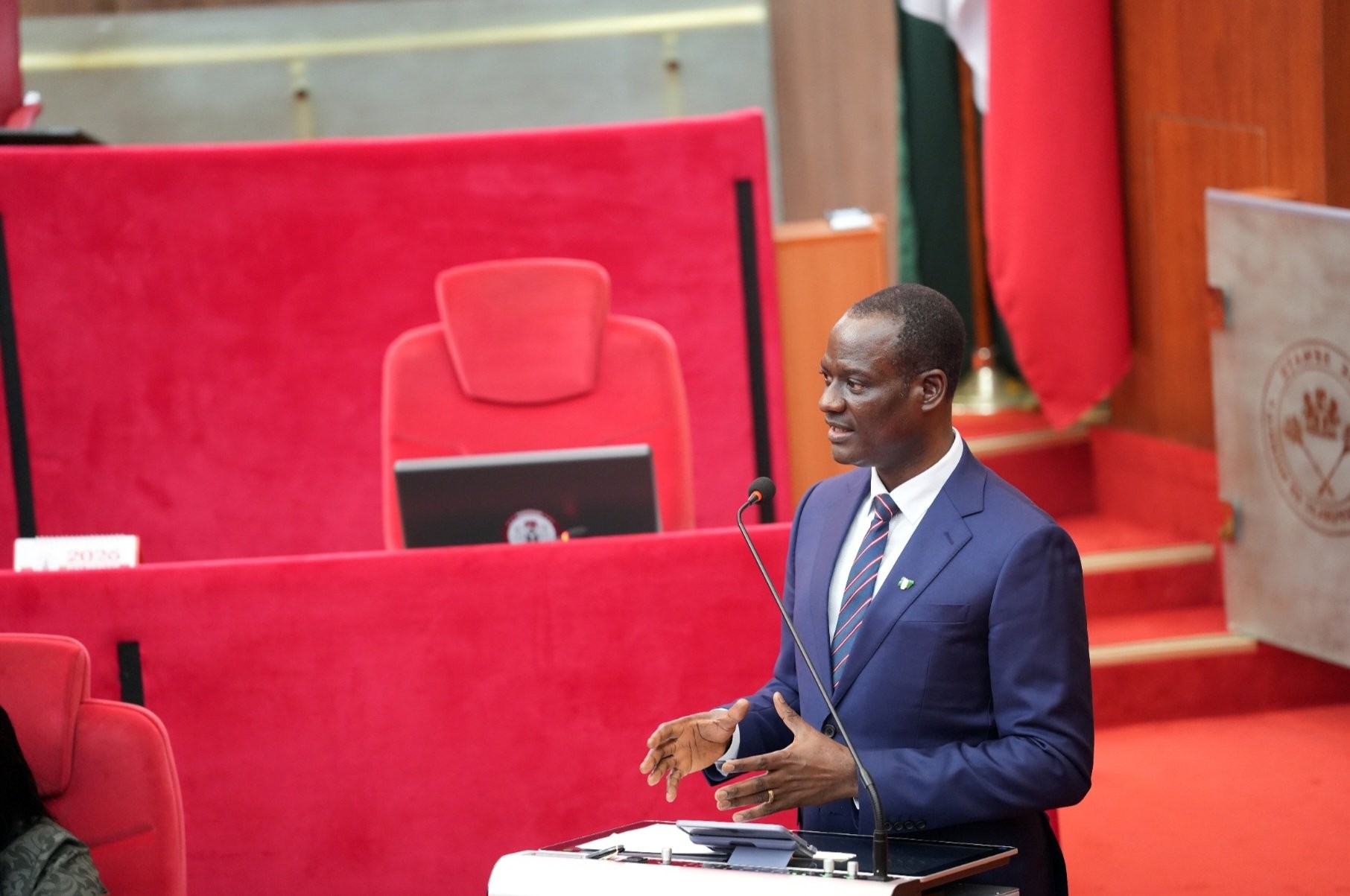
Separately, Executive Chairman of the Nigeria Revenue Service, Zacch Adedeji, stated that Nigeria would have spent about N52 trillion on fuel subsidies, representing 76% of the N68 trillion 2026 budget, if the policy had not been removed. He noted that the decision to scrap fuel subsidies has significantly improved the country’s fiscal outlook.
Adedeji emphasized the fiscal implications of maintaining the subsidy regime. “Mr. President, if that decision had not been taken, fuel subsidies alone would have consumed about 76% of the N68 trillion budget. At an estimated oil price of $120 per barrel, we were looking at subsidy costs of over N52 trillion. That would have left very little for capital projects, social services and national development.”
He added that the reforms have led to increased revenue, improved allocations to states, and enhanced transparency in the fiscal system. He also noted that external reserves have grown to about $34 billion, compared to a projected $2 billion if the subsidy had been maintained.