Key Highlights
- Lekki Phase I generated N93.78 billion in revenue in 2025, a slight decrease from N94 billion in 2024.
- The overall Lagos shortlet market revenue reached N281.03 billion in 2025, up from N264.3 billion in 2024.
- Average occupancy rate across Lagos shortlets was 66%, with daily rates averaging N226,000.
- Lekki Peninsula II earned N72.02 billion, while Victoria Island saw revenue rise to N34.81 billion in 2025.
- Banana Island saw revenue fall to N9 billion from N11 billion in 2024, following a ban on shortlets in February 2026.
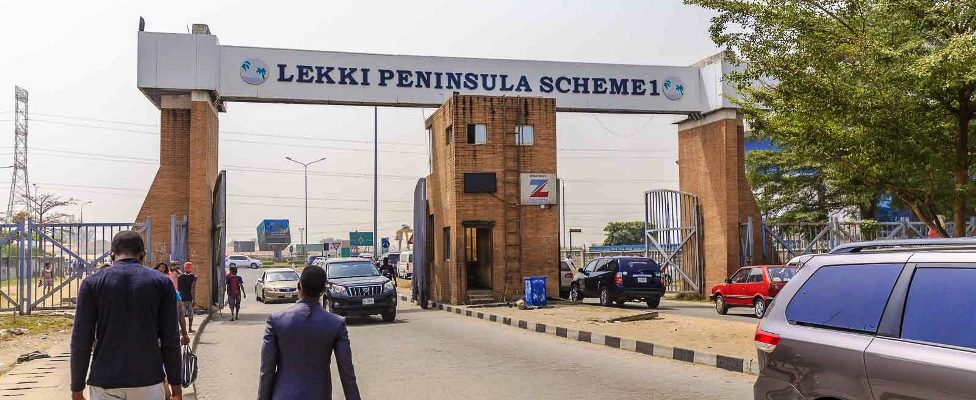
Lekki Phase I generated N93.78 billion in revenue in 2025, making it the top-earning shortlet submarket in Lagos. This data comes from the Lagos Shortlet Market Report 2025 by Edala Development, which tracked 6,398 listings across Lagos.
The report noted that this revenue was based on over 1,000 Lekki Phase I listings tracked during the year. Lekki Phase I generated N93.78 billion in revenue in 2025, slightly down from N94 billion in 2024. The submarket continues to strengthen its reputation as a vibrant hub, attracting young professionals, entrepreneurs, and creatives who value proximity to leisure, business, and social hubs.
The report notes an average occupancy rate of 66%, with daily rates averaging N226,000 across all property types. Occupancy climbed from 47% in January to a mid-year peak of 77% in April, ending December at 85%.
One-bedroom units make up 41% of the inventory, two-bedroom units 36%, while bookings show 56% for a single night and 29% for two nights. Daily rates range from N111,000 for one-bedroom units (approx. N26.3 million annually) to N377,000 for five-bedroom villas (approx. N89.5 million annually), with two-bedroom units rising from N140,000 in February to N196,000 in December.
Revenue Trends Across Lagos’ Shortlet Submarkets
Other Lagos shortlet submarkets recorded mixed performances in 2025. Lekki Peninsula II earned N72.02 billion, up from N70 billion in 2024, maintaining its position as one of the city’s top-earning areas.
Ikoyi, however, saw a decline, generating N35.99 billion compared with N37.5 billion the previous year, while Victoria Island experienced substantial growth, rising to N34.81 billion from N19.3 billion in 2024. Ikeja also posted an increase, earning N22.94 billion against N18.6 billion in 2024.
Meanwhile, Banana Island and Surulere faced revenue declines, with earnings falling to N9 billion from N11 billion and N6.15 billion from N9.7 billion, respectively. Smaller submarkets such as Yaba and the Gbagada vicinity recorded gains, posting N4.05 billion and N2.3 billion compared with N2.6 billion and N1.6 billion in 2024.
Overall, Lagos’ shortlet market generated N281.03 billion in 2025, up from N264.3 billion the year before, with Lekki Phase I remaining the key driver of revenue and investor interest.
More Insights into the Shortlet Market
The Lagos shortlet sector has expanded rapidly over the past five years, driven by corporate travellers, tourists, digital nomads, and investors seeking high-yield properties. Early activity concentrated in Victoria Island, Lekki, and Ikoyi, but demand is now spreading to mainland neighbourhoods like Yaba and Surulere due to affordability and proximity to tech hubs.
Operators are increasingly investing in branding, professional management, and hospitality standards to stay competitive amid rising listings. Regulatory changes, such as the February 2026 ban on shortlets in Banana Island, are shaping market dynamics. Yaba experienced the strongest growth in 2025, with demand up 25%, driven by the tech ecosystem and rising studio apartment inventory.
Peak periods like “Detty December” drive near-full occupancy in prime Island locations, while branded multi-location residences are replacing one-off listings. Short-let apartments in Lagos are growing faster than traditional rentals, attracting both landlords and investors. Higher returns, lower tenant risks, and strong diaspora demand make shortlets increasingly attractive. Professionally managed and luxury units expand across neighborhoods, reinforcing competitiveness.