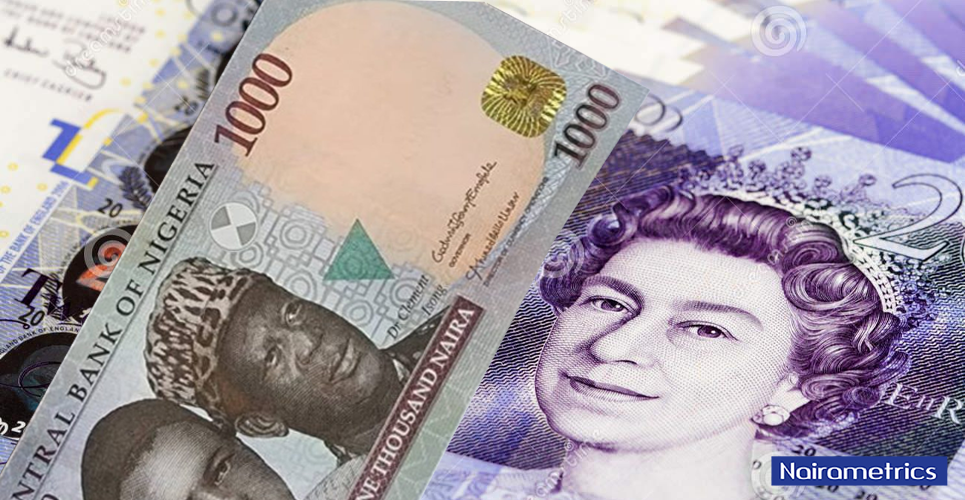
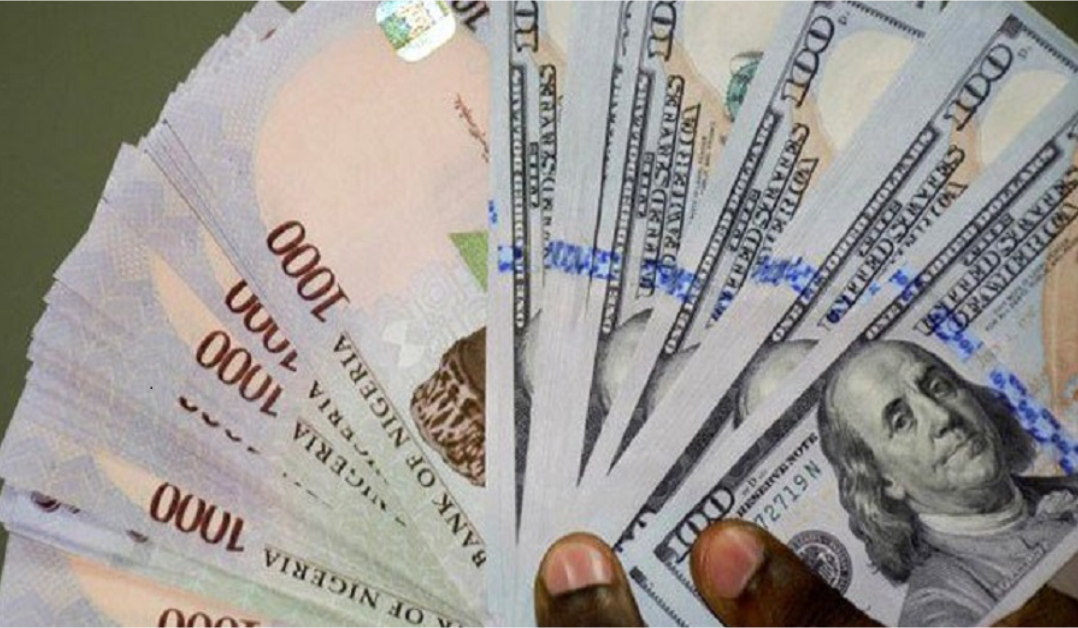
The Nigerian Naira experienced a significant depreciation, closing at N1,425 per dollar on Monday, March 10, 2026. This represents a slip from the N1,398 per dollar recorded on Friday, indicating a downward trend influenced by fluctuating global oil prices and shifts in the U.S. dollar's strength.
According to data published on the Central Bank of Nigeria's (CBN) website on Monday, this latest exchange rate is the Naira's weakest closing level since January 12, 2026, when it last traded at the same N1,425 mark. The decline underscores the sustained pressure on the local currency in recent weeks, exacerbated by global financial uncertainty and evolving investor sentiment.
The Naira's latest weakening is occurring amidst heightened geopolitical tensions and broader movements in global currency markets, which are impacting capital flows and commodity prices. This sensitivity to global financial markets and commodity prices, particularly crude oil, is highlighted by the sustained depreciation.
Global markets have been navigating geopolitical tensions in the Middle East and adjusting to shifting expectations regarding the U.S. dollar's trajectory. This period of uncertainty has led to fluctuating oil prices and consequential currency movements. While these factors have created a wait-and-see approach among many investors, earlier concerns about a sharp spike in energy prices have somewhat eased due to mixed signals in the market.
Despite the current pressure on the Naira, the Central Bank of Nigeria has stated that the country's improving external reserve position is a potential buffer that could help cushion the currency against prolonged depreciation.