The Executive Secretary of the National Sugar Development Council, Kamar Bakrin, stated that a fully developed sugar industry could create up to one million jobs and significantly address Nigeria’s security challenges by providing rural employment for youths.
Bakrin made these remarks during a strategic meeting with the Nigeria Customs Service in Abuja. He informed the Comptroller-General of Customs, Bashir Adeniyi, that the sector could generate 250,000 direct jobs and an additional 750,000 indirect jobs across its value chain, mainly in about 12 states.
“If Nigeria succeeds in developing a proper sugar sector, one of the things we would do is convert an annual outflow of over one billion dollars into jobs, security, and industrialisation,” Bakrin said. He emphasized that these jobs would be rural-based, contributing to local development and reducing vulnerability to criminal recruitment among youths.
He further highlighted that sugar estates can operate independently of the national grid, generating their own electricity. These estates could supply surplus power, estimated at 400 megawatts, to the national grid, enough to power a small modern city.
The successful implementation of the NSMP II is expected to redirect over one billion dollars currently spent on sugar imports into domestic investments. Nigeria possesses over one million hectares of land suitable for sugar cultivation, with only about 200,000 hectares needed to achieve self-sufficiency.
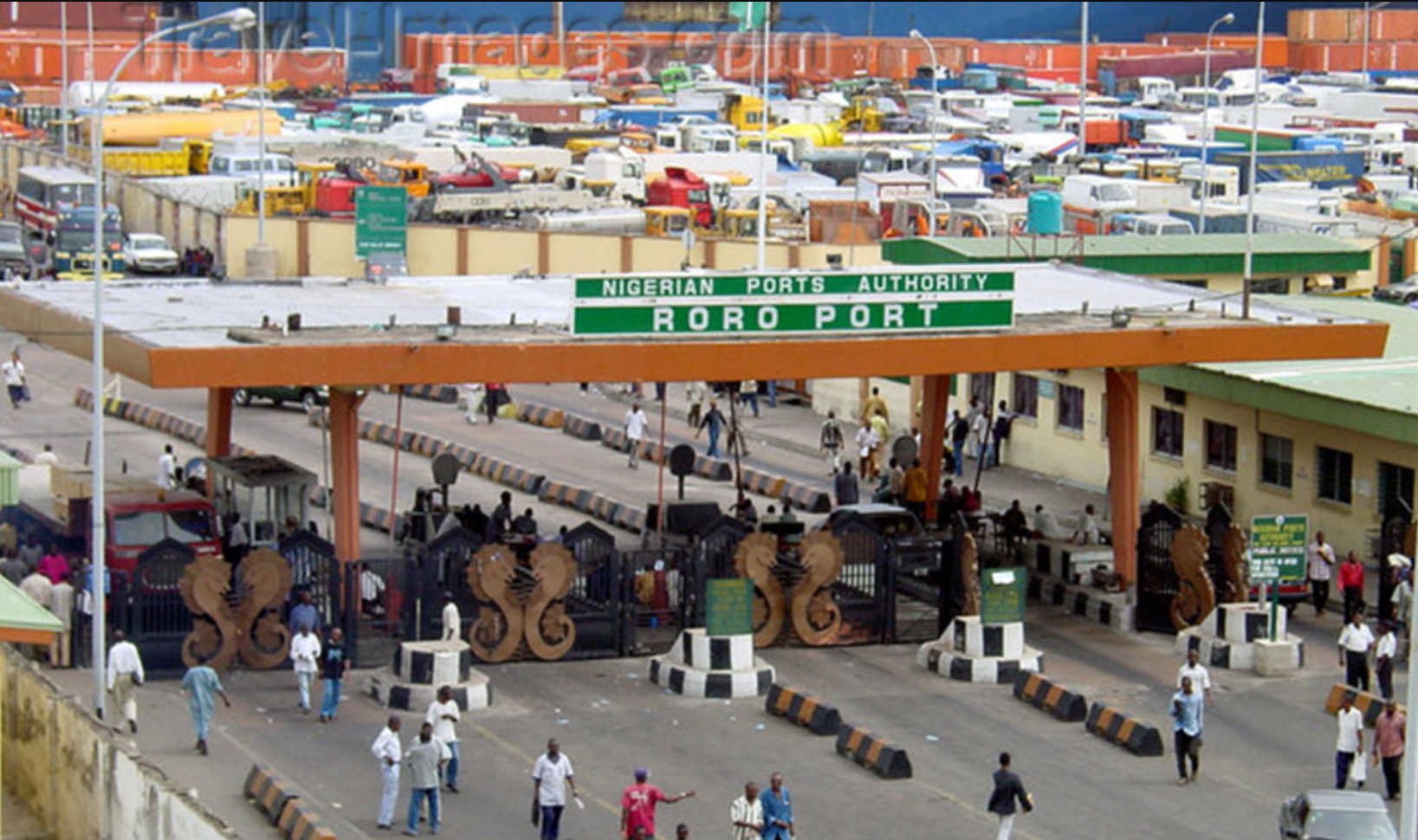
Bakrin stressed the importance of investor confidence, which requires transparent and consistent enforcement of approved policies and incentives. He identified the Customs Service as a critical enforcement institution for the NSMP II's success, particularly in quota administration, import regulation, fiscal incentives, and anti-smuggling enforcement.
In response, Comptroller-General Adeniyi affirmed the Customs Service's full support for the sugar sector transformation agenda. He acknowledged the projected energy contribution as a significant national economic opportunity and pledged strengthened intelligence sharing, data transparency, quota enforcement, and operational collaboration.
Both institutions committed to collaborating on market stability, import data transparency, quota allocation, sugar incentives implementation, and anti-smuggling enforcement. Adeniyi also proposed periodic review meetings to assess progress and brief President Bola Tinubu.