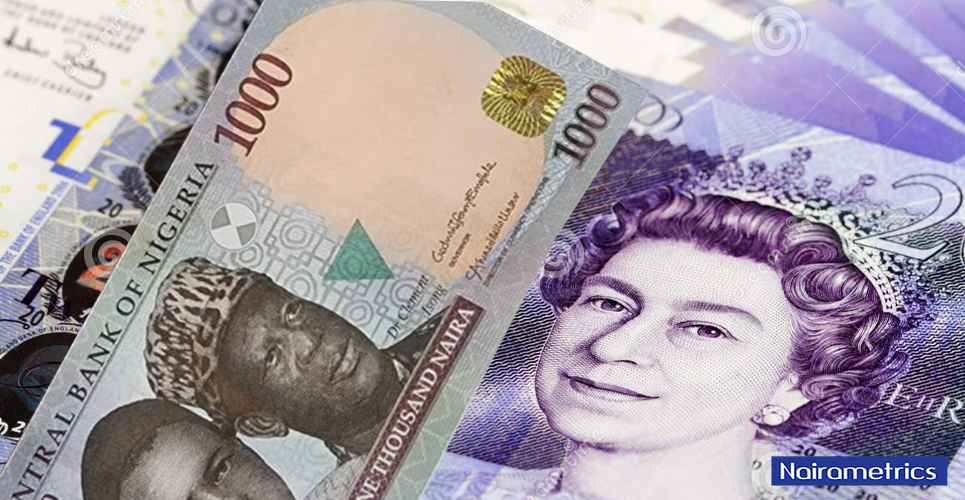
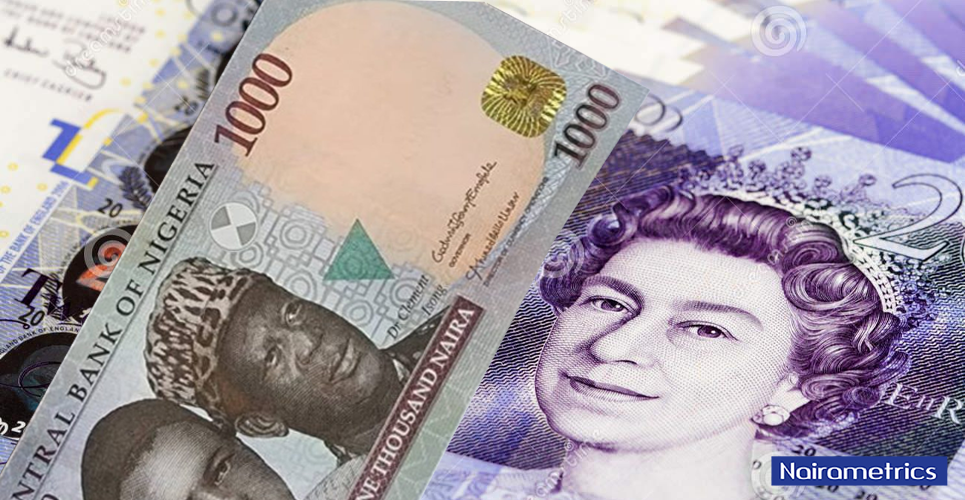
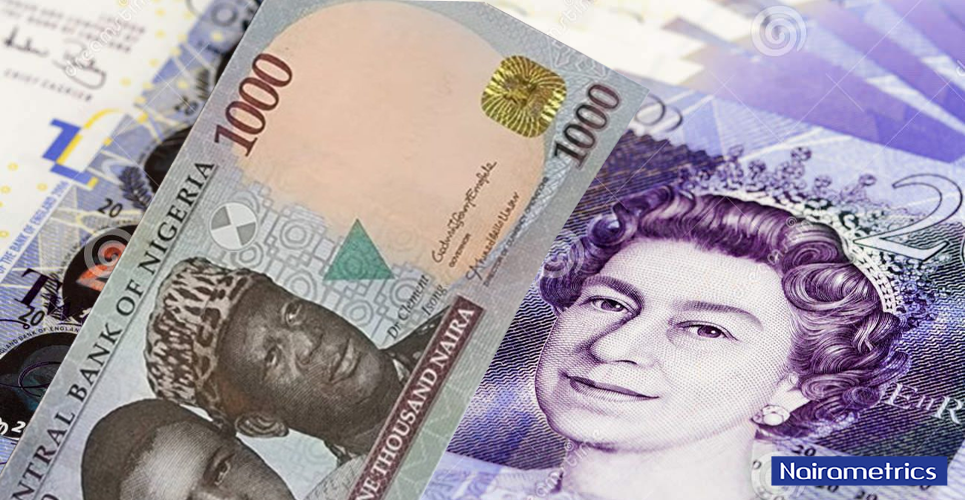
The Nigerian naira held its ground against the British pound, trading at an average of N1,844/£ during the midweek session. This stability is reportedly supported by the Central Bank of Nigeria's (CBN) narrative, aiming to maintain currency stability.
However, the local currency has come under renewed pressure against the US dollar, slipping to N1,385 per US dollar. This depreciation is attributed to escalating conflict in the Middle East, which has sent shockwaves through global financial systems.
The naira had previously shown signs of stability at N1,360, but has depreciated by roughly 0.3 per cent over the past fortnight against the dollar. Despite Nigeria’s position as a leading crude exporter, the domestic economy is beginning to feel the heat of volatility in the energy sector, coinciding with a dramatic spike in local energy costs.
The CBN has backup plans to stabilize the naira if the Middle East crisis puts pressure on it. The apex bank was prepared to step in and stabilize the market as investors sold off riskier emerging market assets. Emerging market assets have been under pressure since investors flocked to safe-haven assets like the US dollar since the start of the US-Israel war against Iran.
Market action indicates that the British pound/naira pair's medium-term trend is negative, suggesting the local currency is strengthening or stabilizing relative to the British Pound sterling. The Relative Strength Index (RSI) for the GBP/USD pair is between 40 and 60, indicating a slowdown in the downward trend but not yet a reversal to bullish momentum.
The British Pound Sterling (GBP) has been outperforming the US dollar (USD) for three consecutive trading days. The GBP/USD pair traded about 0.1% higher near 1.3370 during the early European session as the US dollar faced pressure ahead of the Federal Reserve’s (Fed) monetary policy announcement. The US Dollar Index (DXY) was trading cautiously near its three-day low of 99.50.
Currency traders are optimistic that the Fed will keep interest rates in the current range of 3.50% to 3.75%. Rising oil prices due to fears over energy supply have increased inflation expectations globally, leading traders to expect the Fed to maintain the status quo. The Bank of England’s (BoE) interest rate decision and the UK’s employment data for the three months ending in January are key catalysts for the British currency this week.
Nigeria’s inflation eased slightly to 15.06 per cent in February. However, the subsequent eruption of conflict in the Middle East has seen domestic gasoline prices soar by more than 30 per cent. Market analysts at ForexTime Limited warned that these rising transportation and energy costs are likely to bleed into broader consumer prices, potentially undoing recent progress made by the CBN. Matthew Anthony, Senior Market Analyst for Africa, noted that as tensions escalate, mounting fears of inflationary shocks could force central banks to rethink their 2026 playbooks.
Brent crude rallied above $103 a barrel on Tuesday, with fears of supply shocks intensifying following attacks on energy infrastructure in the Middle East and concerns regarding ship traffic through the critical Strait of Hormuz. The International Energy Agency launched its largest-ever oil release of 400 million barrels, while the US issued a second temporary waiver for Russian oil purchases. However, oil prices remain firmly in the triple digits.
The volatility is not limited to Nigeria. The Reserve Bank of Australia raised interest rates for the second consecutive meeting. Investors are looking toward the Federal Reserve, European Central Bank, and Bank of England, all of which are under the spotlight this week. Market expectations for a Fed rate cut have effectively evaporated, with traders now pricing in only one potential cut for the entirety of 2026.
For Nigeria, the immediate concern remains the CBN’s policy direction. The sudden spike in gasoline prices and the naira’s dip may force the apex bank to abandon its plans to lower interest rates as it pivots back to a defensive stance against conflict-induced inflation. The brief tech rally in the previous session served as a small distraction, with equities on the back foot amid the overall caution.