Key Highlights
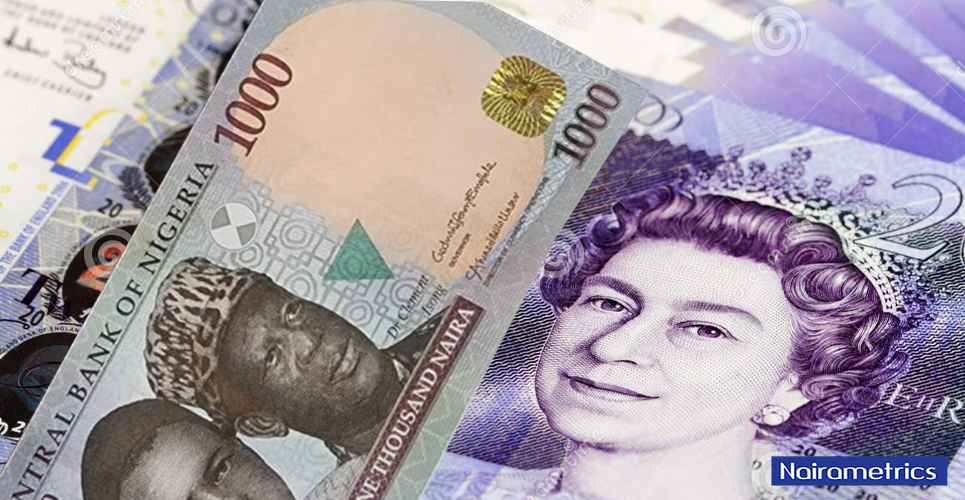
The Naira settled at N1,399.07 against the U.S. dollar in the official market.
The exchange rate is in a consolidation phase, moving away from extreme volatility seen in 2024-2025.
The Naira hovers around N1,400/$ as global tensions boost the U.S. dollar, while the CBN maintains a 'willing-buyer, willing-seller' approach.
Key Highlights
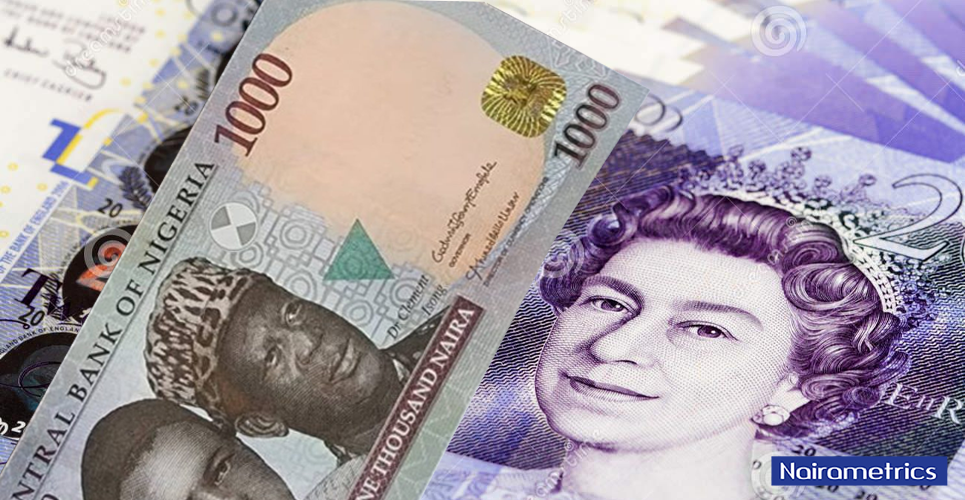
The Naira settled at N1,399.07 against the U.S. dollar in the official market.
The exchange rate is in a consolidation phase, moving away from extreme volatility seen in 2024-2025.
U.S. year-on-year inflation fell to 2.4% in the previous release, the lowest since May 2025.
Market expectations peg U.S. headline inflation at 2.4% YoY, with core inflation steady at 2.5%.
The Central Bank of Nigeria (CBN) continues to emphasize the 'willing-buyer, willing-seller' approach.
Advertisement
The Nigerian naira remained near its key resistance level against the U.S. dollar during the second trading session of the week, holding steady around the N1,400 mark. The pair is now entering a consolidation phase, showing a departure from the extreme volatility experienced in 2024-2025. Current economic fundamentals present a mixed picture, with noticeable improvements in buffers but persistent structural headwinds.
In the official market, the naira settled at N1,399.07 to the dollar. Market activity throughout the day indicated healthy liquidity within the system, reflected in only slight fluctuations. The Central Bank of Nigeria (CBN) continues to champion the 'willing-buyer, willing-seller' approach, a strategy that has been instrumental in keeping the official exchange rate for the week close to N1,400 and preventing sharp, unpredictable swings that could disrupt business planning.
Globally, the U.S. dollar has been gaining strength, influenced by ongoing geopolitical tensions. Incidents involving ships off the coast of Iran, as reported by the UK Maritime Trade Operations (UKMTO), have led to a significant halt in shipping across the strategically vital Strait of Hormuz, particularly following escalations involving the United States. While the greenback experienced a slight dip mid-day on Tuesday, it regained ground towards the end of the trading session as optimism about a potential ceasefire in the Middle East emerged.
The recent surge in oil prices, a potential consequence of these global events, is not expected to be immediately reflected in market dynamics. This is attributed to markets entering a period focused on U.S. Consumer Price Index (CPI) data releases, with initial impacts possibly appearing in the March inflation report. The preceding month's inflation data showed a decrease in the U.S. year-on-year inflation rate to 2.4%, the lowest recorded since May 2025, which markets interpreted as a potential precursor to interest rate cuts. Current market expectations anticipate U.S. headline inflation to remain at 2.4% year-on-year, with core inflation holding steady at 2.5%.
The U.S. central bank is currently observing a “quiet period” ahead of its policy meeting on March 18th, which prevents officials from commenting on the prevailing geopolitical tensions. Were this silence not in effect, policymakers might have provided insights into whether the recent uptick in energy prices is a transient phenomenon or indicative of underlying issues that could jeopardize price stability. Policymakers remain watchful of supply shocks that could potentially drive inflation higher. Should central banks perceive the impact of the Middle East conflict on oil prices as temporary, they may opt to maintain their current interest rate trajectory. Conversely, if there is a perceived real risk of entrenched inflation, a reconsideration of higher interest rates for an extended duration might be necessary to anchor market expectations.
Olumide Adesina, a financial market writer, analyst, and investment trader, contributed to this report.
Advertisement
Advertisement